Free delivery on all orders over £85
Buy 6 bottles get a 5% discount
Buy 12 bottles get a 10% discount

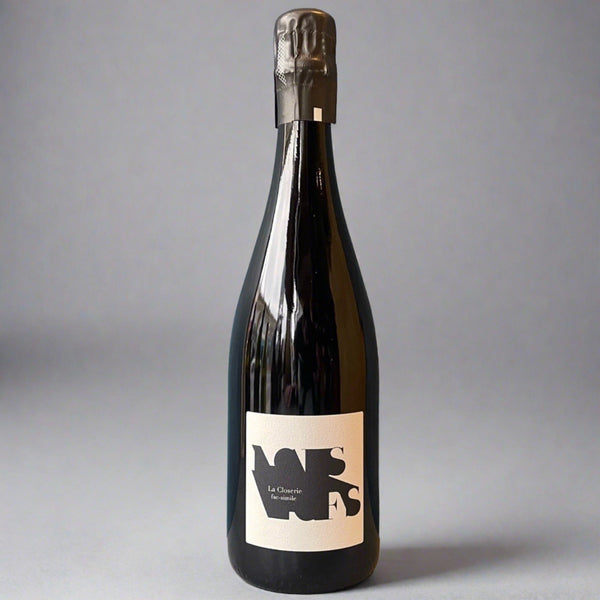
Jerome Prevost, La Closerie Fac-Simile, NV

Rare, delicately coloured rosé Champagne from La Closerie: Les Béguines base wine married with a small portion of still Meunier, delivering red-berry spice and chalky tension.

  • red cherry
  • cranberry
  • white pepper
  • chalky minerality

If you require more stock than we have available then please email us at hello@cavebristol.co.uk or call 01179232358

At a glance

Producer
Jérôme Prévost
Region
Champagne
Appellation
Champagne AOC
Grape
Pinot Meunier Pinot Gris Pinot Noir Chardonnay
Country
France
Wine type
Sparkling
Alcohol
12.5%
Size
75.0cl
Farming
Organic — practising

Taste profile

Body
Medium
Acidity
High
Tannin
Low

What to eat with it

  • tuna tataki
  • duck breast with cherries
  • prosciutto and charcuterie
  • grilled salmon
  • mushroom risotto

How to serve it

Serve
Lightly chilled (12–14°C)

Why Cave selected it

Benchmark grower rosé Champagne of microscopic production (~3,000 bottles/year), from a revered single site in Gueux; precise, terroir-driven Meunier with exceptional finesse.

About the wine

Fac-Simile Rose has a curious origin, with grapes sourced from a part of the vineyard affected by a grapevine virus which stunts plant growth and creates tiny yet concentrated berries. Jérôme has made this extremely delicately coloured fine rosé from the 2018 vintage, by the addition of one barrel of pinot meunier red wine aged for 11 months and then gently infused and married with the white wine. If you ever get the privilege of tasting these wines then WOW!

 
* Please note that because there is limited stock of this wine it is not subject to any further discount. 

About Jérôme Prévost

Jérôme Prévost started in 1987, taking over a 1.5ha parcel of pinot meunier vines in Gueux (to the west of Reims) called Les Béguines inherited by his mother, who spurred him into action by doubting whether he could ever make it as a winemaker. He sold the grapes on to the négoce for the first ten years, primarily because he didn’t have a cave. He also worked with Anselme Selosse who allowed him to use his cellars in Avize from where he made Les Béguines from 1998 to 2003. He then made his champagnes in a garage behind his house, before moving in 2018 to a beautifully designed eco-friendly house and cave alongside his vineyard. He now works a 2.2ha vineyard where the 55 million years old (Thanetian) soils are deep strata of clays, sands and limestone, that weather out many marine fossils. Planted by massal selection on good rootstock in the 1960s before says Jérôme, "the industrial revolution arrived in the vineyards during the 1970s and clones and chemical solutions became the norm". Yields here are naturally low and give intense fruit, particularly important for the pinot meunier grape, which is not overly perfumed and gives little unless picked ripe. As it is very rarely picked at optimum maturity in the region it doesn’t have the reputation that it deserves comments Jérôme. Viticulture is straightforward although meticulous, light hand ploughing under vine at the end of winter, grass is allowed to grow naturally until summer when it is mowed.

Search our shop